Breathe Like You Mean It: How This Simple Practice Changed My Mental Game
You’ve probably heard that breathing is automatic—so why would anyone need to learn how to do it? The truth is, most of us breathe all wrong, especially when stress hits. Shallow, rushed breaths keep the nervous system on edge, feeding anxiety and mental fatigue. I didn’t realize how much my breathing shaped my mind until I started practicing intentional techniques. What followed wasn’t magic—just measurable calm, sharper focus, and real resilience. This is about reclaiming a natural skill we’ve all forgotten.
The Hidden Crisis of Modern Breathing
In the rush of daily life—managing schedules, responding to messages, juggling responsibilities—few people stop to consider how they breathe. Yet, beneath the surface, a quiet crisis is unfolding. Breathing, once a seamless and unconscious rhythm, has become shallow, rapid, and inefficient for many. Instead of drawing air deep into the lungs, most adults now rely on chest breathing, a pattern that uses the upper chest and shoulder muscles rather than the diaphragm. This type of breathing mimics the physiological state of alarm, signaling the brain that danger is near—even when none exists.
Modern lifestyles are largely to blame. Long hours at desks encourage slouched postures that restrict lung expansion. Chronic stress keeps cortisol levels elevated, prompting faster, more erratic breaths. Even something as simple as wearing tight clothing can limit abdominal movement and disrupt natural breathing patterns. Over time, these habits become ingrained, leading to what clinicians call “dysfunctional breathing.” Research from institutions like the European Respiratory Society suggests that up to 70% of adults may experience some form of this condition, often without diagnosis. Symptoms include frequent sighing, unexplained fatigue, dizziness, and persistent low-grade anxiety.
What makes this crisis particularly insidious is that it operates in silence. People adapt to feeling slightly on edge, mentally foggy, or emotionally reactive, never connecting these states to how they breathe. But the breath is not just a passive exchange of oxygen and carbon dioxide—it is a direct conversation with the nervous system. When breathing becomes erratic, the body remains in a low-grade fight-or-flight state, impairing concentration, emotional balance, and restorative sleep. Recognizing this link is the first step toward reclaiming control. The solution isn’t complicated, but it requires awareness: breathing well is not automatic anymore. It must be relearned.
Why Breathing Is the Brain’s Remote Control
Among the many tools available for mental well-being, few are as immediate or accessible as the breath. Unlike medications or therapy sessions, which require time, cost, or scheduling, breathing is always available—and when used intentionally, it functions like a remote control for the brain. The key lies in the vagus nerve, the longest cranial nerve in the body, which serves as the main pathway of the parasympathetic nervous system. This system governs the “rest and digest” state, counterbalancing the stress-driven “fight or flight” response. When the vagus nerve is stimulated through slow, deep breathing, it signals the brain to reduce heart rate, lower blood pressure, and calm mental chatter.
Neuroscientific studies have confirmed this connection. Functional MRI scans show that controlled breathing reduces activity in the amygdala, the brain region responsible for processing fear and threat. In one study published in the journal *Frontiers in Psychology*, participants who practiced slow breathing for just ten minutes showed measurable decreases in anxiety and increased coherence between heart rate and respiration—a marker of emotional regulation. Another study from Stanford University found that rhythmic breathing patterns could influence brain wave activity, enhancing alertness during inhalation and promoting calm during exhalation.
The implications are profound. By changing the breath, we change the brain’s state. A person overwhelmed before a presentation can shift from panic to poise in minutes. A parent feeling mentally drained after a long day can restore clarity with a few rounds of intentional breathing. This isn’t about positive thinking or willpower—it’s physiology in action. The breath acts as a bridge between the conscious and autonomic nervous systems, giving us a rare ability to influence automatic functions. When used consistently, this practice builds resilience, not just in moments of stress, but across time. Over weeks and months, individuals report improved mood, better sleep, and a greater sense of emotional stability—all from mastering a skill they already possess.
Meet the Diaphragm: Your Forgotten Super Muscle
If the breath is a remote control for the brain, the diaphragm is the power source. This dome-shaped muscle beneath the lungs is designed to be the primary driver of respiration. When it contracts, it flattens and creates negative pressure in the chest, drawing air into the lungs. When it relaxes, it pushes air out. This process, known as diaphragmatic or belly breathing, is efficient, calming, and energy-conserving. Yet, in modern society, this natural mechanism is often neglected. Instead of using the diaphragm, many people rely on accessory muscles in the neck, shoulders, and chest—muscles meant for emergency breathing, not everyday use.
The consequences of underusing the diaphragm are both physical and mental. Chest breathing is less efficient, delivering less oxygen with more effort. It also triggers the sympathetic nervous system, increasing heart rate and muscle tension. Over time, this pattern contributes to chronic fatigue, poor concentration, and heightened anxiety. In contrast, diaphragmatic breathing activates the parasympathetic system, promoting relaxation and mental clarity. It also supports core stability, improves digestion, and enhances lymphatic flow, making it a cornerstone of holistic health.
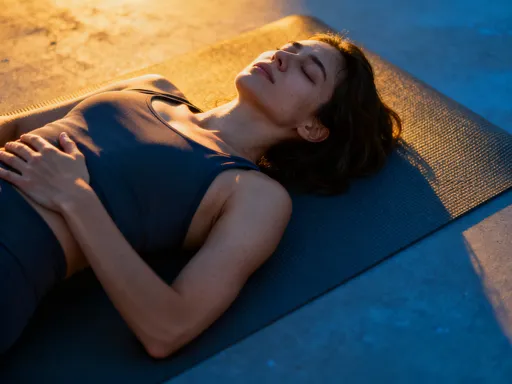
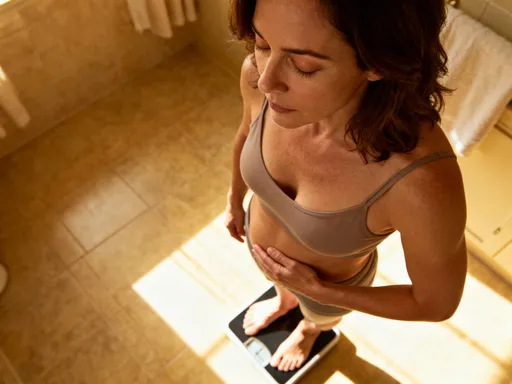
Learning to engage the diaphragm again is simpler than it sounds. A basic self-check can reveal current habits: lie on your back with one hand on your chest and the other on your abdomen. Breathe normally. If the chest rises more than the belly, you’re likely chest breathing. The goal is to reverse that pattern—feeling the abdomen rise on the inhale and fall on the exhale, with minimal chest movement. At first, this may feel awkward or even tiring, like using a muscle that has been dormant. But with practice, it becomes natural. Guided exercises, such as placing a light book on the belly and watching it rise and fall, can reinforce the movement. Over time, diaphragmatic breathing becomes a default mode, not just during practice but throughout the day. This shift is more than physical—it’s emotional. The diaphragm, often called the “muscle of expression,” is linked to emotional release. When it moves freely, it allows for deeper exhalations, which can help release stored tension and create space for calm.
The 4-7-8 Method: A Clinically-Supported Reset
Among the many breathing techniques available, few are as well-documented and user-friendly as the 4-7-8 method. Developed by Dr. Andrew Weil, this technique is based on ancient pranayama practices but adapted for modern lifestyles. The pattern is simple: inhale quietly through the nose for four seconds, hold the breath for seven seconds, then exhale slowly and completely through the mouth for eight seconds. This cycle is repeated four times initially, gradually increasing with comfort. The extended exhalation is the key—it prolongs activation of the vagus nerve, deepening the relaxation response.
The science behind the timing is rooted in respiratory physiology. The seven-second hold allows carbon dioxide to build slightly in the bloodstream, which increases the body’s tolerance to CO2—a factor linked to reduced anxiety and improved breathing efficiency. The eight-second exhale ensures full lung emptying, resetting the respiratory system and preventing hyperventilation. Clinical observations suggest that regular practice can help reduce insomnia, ease panic symptoms, and improve emotional regulation. Many users report falling asleep within minutes when using the technique at bedtime, while others find it invaluable before stressful events like medical appointments or difficult conversations.
What makes the 4-7-8 method particularly effective is its structure. Unlike free-form breathing, the counting provides a mental anchor, reducing rumination and distracting thoughts. It also sets clear expectations—there’s no need to “try harder” or “feel different.” The benefits emerge from consistency, not intensity. Beginners may find the hold or exhale challenging at first, and that’s normal. The goal is not perfection but progress. Over time, the body adapts, and the rhythm becomes soothing rather than strenuous. For best results, the practice should be done twice daily—once in the morning to set a calm tone, and once at night to support restful sleep. It requires no equipment, no special space, and less than two minutes per session. In a world of complex solutions, this simplicity is its greatest strength.
Box Breathing: The Navy SEAL Strategy for Mental Clarity
When extreme focus is required, few tools are as trusted as box breathing. Also known as square breathing, this technique is used by Navy SEALs, firefighters, and emergency responders to maintain composure under life-threatening pressure. The pattern is symmetrical: inhale for four seconds, hold for four, exhale for four, and hold again for four. This creates a balanced, rhythmic cycle that stabilizes both mind and body. Unlike techniques emphasizing long exhalations, box breathing focuses on equilibrium—equalizing oxygen intake, retention, and release to optimize mental performance.
The power of this method lies in its predictability. The consistent count creates a meditative rhythm, quieting the mind’s background noise. During the inhale, oxygen floods the bloodstream, increasing alertness. The hold allows for full oxygen diffusion into tissues. The exhale triggers the parasympathetic system, lowering heart rate. The final hold extends this calm, preparing the body for the next cycle. This balance of stimulation and relaxation makes box breathing ideal for high-stakes situations—delivering a presentation, managing a conflict, or making a critical decision—where clarity and control are essential.
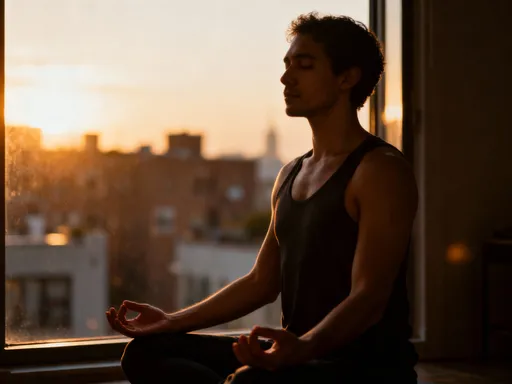
To practice effectively, posture matters. Sitting upright with feet flat on the floor and hands resting gently on the lap supports diaphragmatic movement and alertness. The environment should be free of distractions, at least initially, to build focus. Some people close their eyes; others keep them softly open, gazing at a fixed point. The breath should be smooth and silent, without strain. Common mistakes include holding the breath too tightly or rushing the exhale—both disrupt the rhythm and reduce effectiveness. With practice, the technique becomes automatic, usable even in motion. Many users integrate it into daily transitions: before starting work, during a break, or after a stressful interaction. Over time, it builds mental resilience, training the nervous system to return to balance quickly, even after disruption. It’s not about eliminating stress—it’s about mastering the response to it.
Integrating Breathwork into Daily Life—Without Adding Time
One of the most common barriers to breathwork is the belief that it requires extra time. In reality, the most effective practice is not long or elaborate—it’s consistent and woven into existing routines. The goal is not to add another task to an already full schedule, but to transform mundane moments into opportunities for mental reset. Waiting for the coffee to brew? That’s four perfect minutes for the 4-7-8 method. Stopped at a red light? Use it for a round of box breathing. Before checking email or starting a meal? Take three deep, intentional breaths. These micro-practices accumulate, training the nervous system over time.
Habit stacking—pairing a new behavior with an existing one—can make breathwork stick. For example, every time you open your laptop, take two slow belly breaths. Each time you brush your teeth, focus on nasal breathing. After hanging up a phone call, pause and exhale fully. These cues create automaticity, reducing reliance on motivation. The key is awareness, not perfection. Some days, the breath may feel shallow or distracted—and that’s okay. The practice is not about achieving a particular state, but about returning to the present moment. Over time, these small acts build a foundation of calm that supports decision-making, patience, and emotional balance.
Technology can also support integration. Silent breathing apps with gentle visual cues—such as expanding and contracting circles—can guide practice without sound, making them suitable for work or public spaces. However, the ultimate aim is independence: to breathe well without tools, cues, or reminders. This level of integration transforms breathwork from a technique into a lifestyle. It becomes less about “doing” and more about “being”—a quiet presence that carries through the day. When practiced this way, breathwork is not an escape from life, but a deeper engagement with it.
When to Seek Professional Guidance
While breathwork is safe and beneficial for most people, it is not a substitute for professional medical or mental health care. For individuals with certain conditions—such as asthma, chronic obstructive pulmonary disease (COPD), or panic disorder—some techniques may initially cause discomfort or dizziness. In rare cases, overbreathing or aggressive breath retention can trigger symptoms in those with a history of trauma or dissociation. Therefore, it is important to approach the practice with care and self-awareness.
If you have a pre-existing medical condition, especially one affecting the lungs, heart, or nervous system, consult your healthcare provider before beginning any new breathing regimen. This is particularly important if you experience chest pain, shortness of breath, or lightheadedness during practice. A doctor or respiratory therapist can help tailor techniques to your needs, ensuring safety and effectiveness. Similarly, individuals in therapy for anxiety, PTSD, or depression should discuss breathwork with their mental health provider. When used alongside evidence-based treatments—such as cognitive behavioral therapy (CBT) or medication—breathwork can be a powerful complement, enhancing emotional regulation and reducing symptom severity.
The goal is integration, not replacement. Breathwork is not a cure-all, but a tool—one that works best when part of a broader wellness strategy. It should never replace prescribed treatments or delay seeking help for serious conditions. For most, however, it is a low-risk, high-reward practice that supports long-term mental health. With professional guidance when needed, it can be a safe and sustainable way to build resilience, improve focus, and reclaim a sense of inner calm.
Your Breath, Your Baseline
Breathing is the only autonomic function we can consciously control—and that makes it uniquely powerful. Unlike heart rate or digestion, which operate beyond our immediate influence, the breath sits at the intersection of body and mind, voluntary and involuntary. This duality gives us a rare opportunity: to shape our internal state from the inside out. By returning to simple, intentional breathing, we don’t just reduce stress—we retrain our nervous system, recalibrate our emotions, and rebuild mental clarity.
The real transformation isn’t in a single session, but in the cumulative effect of daily practice. Over time, the nervous system becomes less reactive, the mind less cluttered, the emotions more balanced. Calm is no longer something we chase—it becomes the default. This shift doesn’t require expensive tools, special training, or hours of commitment. It begins with awareness, continues with consistency, and deepens with patience. The breath is always there, waiting to be noticed. Each inhale is a chance to reset. Each exhale, a release of tension. In a world of constant demands, this simple act becomes an act of reclamation—a return to the self, one breath at a time.