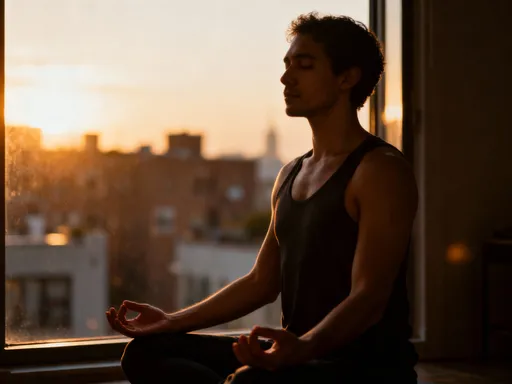
How Meditation Quietly Changed My Daily Struggle with Chronic Illness
Living with a long-term health condition used to drain me—mentally and physically. I felt stuck, anxious, and overwhelmed. Then I tried meditation, not as a cure, but as a tool to cope. What started as five minutes a day slowly shifted my mindset, reduced my stress, and helped me regain control. This is how a simple practice became part of my disease management—and why it might help you too.
The Hidden Toll of Chronic Illness on Mental Health
Chronic illness is more than a collection of physical symptoms. For many, it carries a silent, heavy burden on mental well-being. Fatigue, pain, and unpredictable flare-ups can create a constant undercurrent of anxiety. The uncertainty of not knowing how you’ll feel from one day to the next wears down emotional resilience over time. Many people manage their condition with medications and doctor visits but overlook the emotional toll that accumulates in the background. This mental strain isn’t just an unfortunate side effect—it can actively worsen the physical experience of illness.
Stress, in particular, plays a powerful role in how chronic conditions manifest. When the body is under prolonged stress, it releases cortisol and other stress hormones that can increase inflammation. For individuals with autoimmune disorders, inflammatory conditions, or chronic pain syndromes, this biological response can intensify symptoms and trigger flare-ups. Sleep disturbances are also common, as worry and discomfort make rest elusive. Poor sleep, in turn, weakens the immune system and reduces the body’s ability to regulate pain and inflammation. The cycle becomes self-reinforcing: physical discomfort increases stress, and stress amplifies physical suffering.
Yet, emotional health is often treated as secondary in chronic disease management. Patients may feel pressure to focus only on lab results, medication schedules, or physical therapies, while internal struggles with anxiety, frustration, or sadness go unaddressed. The truth is, mental and physical health are deeply interconnected. Ignoring one undermines efforts to support the other. Building emotional resilience is not a luxury—it’s a necessary part of long-term wellness. Practices that calm the nervous system, such as meditation, can help interrupt the stress-inflammation loop and restore a greater sense of balance.
Recognizing this connection is the first step toward a more holistic approach to health. It means acknowledging that healing isn’t only about fixing the body but also about nurturing the mind. For many, this realization comes after years of feeling isolated in their struggle. The emotional weight of chronic illness can be isolating, especially when others don’t understand the daily effort it takes to simply function. Meditation offers a way to reconnect—with oneself, with the present moment, and with a sense of agency that illness often diminishes.
Why I Tried Meditation—And Almost Gave Up
At first, the idea of meditation felt foreign, even a little impractical. The image that came to mind was someone sitting perfectly still, eyes closed, in complete silence—an ideal that seemed impossible amid the noise of daily life and the discomfort of chronic symptoms. When the suggestion to try meditation came from a trusted healthcare provider, there was curiosity, but also skepticism. Could simply sitting and breathing really make a difference? The idea felt too simple, too passive, to matter in the face of real physical challenges.
The first attempts were discouraging. Sitting quietly for even three minutes felt like an eternity. Thoughts raced—about appointments, medications, the ache in the joints, the list of things left undone. The effort to focus on the breath often ended in frustration. The mind wandered constantly, pulled in different directions by worry and discomfort. There was no instant calm, no sudden clarity. Instead, there was impatience and the growing belief that this practice just wasn’t for me. Many sessions ended early, abandoned in favor of something more tangible, like a warm cup of tea or a distraction on the phone.
It wasn’t until the third or fourth week that a small shift occurred—not in the practice itself, but in the attitude toward it. The realization came quietly: meditation wasn’t about achieving stillness or silencing the mind. It was about noticing what was already happening. The racing thoughts, the tension in the shoulders, the rhythm of the breath—these weren’t failures to overcome but experiences to observe. This subtle change in perspective made all the difference. Instead of fighting against distraction, there was space to acknowledge it and gently return focus. It wasn’t about doing it perfectly. It was about showing up, even when it felt awkward or unproductive.
The turning point was finding a method that fit into real life, not an idealized version of it. There was no need for candles, cushions, or special clothing. A few moments while waiting for the kettle to boil, or lying in bed before sleep, became enough. The practice didn’t have to be long or flawless to be meaningful. Over time, these brief pauses began to create small pockets of calm in an otherwise hectic routine. What started as a reluctant experiment slowly became a quiet anchor in the day.
What Meditation Actually Is (And What It Isn’t)
Meditation is often misunderstood. Many people assume it’s about stopping thoughts or reaching a state of perfect peace. In reality, it’s quite the opposite. Meditation is not about controlling the mind but about observing it. It’s a practice of cultivating awareness—of the breath, of bodily sensations, of emotions, and of the constant stream of thoughts—without judgment. The goal isn’t to empty the mind but to become more familiar with how it works. This awareness, over time, creates a sense of distance between experience and reaction, allowing for more thoughtful responses rather than automatic stress responses.
There are different forms of meditation, but all share a common foundation: attention training. Mindfulness meditation involves paying deliberate attention to the present moment, often using the breath as an anchor. When the mind wanders, as it naturally does, the practice is to notice and gently return focus. Body scan meditation guides attention slowly through different parts of the body, increasing bodily awareness and releasing tension. Breath-focused meditation involves observing the natural rhythm of inhalation and exhalation, helping to ground the mind in physical sensation.
One of the most common misconceptions is that meditation requires specific conditions: a quiet room, a special posture, or a long stretch of time. In truth, it can be practiced anywhere and at any time. Sitting upright in a chair is just as valid as sitting cross-legged on the floor. Five mindful breaths while waiting in line or pausing before answering a phone call can be a form of meditation. The posture matters less than the intention to be present. Similarly, the length of practice is less important than consistency. Short, regular sessions are more effective than occasional long ones.
Another myth is that meditation should lead to immediate relaxation or emotional relief. While many people do experience calm over time, the early stages can feel uncomfortable. Sitting with difficult emotions or physical sensations may bring them into sharper focus. This isn’t a sign that meditation isn’t working—it’s often a sign that it is. The practice isn’t meant to suppress pain or anxiety but to relate to them differently. By observing discomfort with curiosity rather than resistance, a new relationship with suffering can begin to form. This shift in perspective is where real change begins.
The Science Behind Meditation and Symptom Management
While meditation has roots in ancient traditions, modern science has increasingly recognized its benefits for both mental and physical health. Research in the field of integrative medicine suggests that regular meditation can influence the body’s physiological responses in ways that support chronic disease management. One of the most well-documented effects is the reduction of cortisol, the primary stress hormone. Elevated cortisol levels are linked to increased inflammation, impaired immune function, and disrupted sleep—all of which can worsen chronic conditions. By calming the nervous system, meditation helps lower cortisol production, creating a more balanced internal environment.
The practice also supports emotional regulation by strengthening the prefrontal cortex, the area of the brain responsible for decision-making, focus, and emotional control. At the same time, it reduces activity in the amygdala, the brain’s fear center, which is often overactive in people experiencing chronic stress or anxiety. This neurological shift makes it easier to respond to challenges with clarity rather than reactivity. For someone managing a long-term illness, this means fewer emotional spikes in response to pain, fatigue, or medical uncertainty. Over time, this contributes to a greater sense of stability and control.
Sleep quality is another area where meditation shows measurable benefits. Many people with chronic conditions struggle with insomnia or restless sleep due to physical discomfort or racing thoughts. Mindfulness and body scan practices help quiet the mind and relax the body, making it easier to fall and stay asleep. Improved sleep, in turn, supports immune function, reduces pain sensitivity, and enhances overall well-being. The relationship between meditation and sleep is reciprocal: better sleep supports meditation practice, and meditation supports better sleep.
Pain perception is also influenced by mindfulness. While meditation does not eliminate physical pain, it changes the way the brain processes it. Studies suggest that mindfulness can reduce the subjective experience of pain by increasing acceptance and decreasing resistance. When pain is met with less fear and struggle, its emotional weight lessens. This doesn’t mean ignoring pain or pretending it isn’t there. It means acknowledging it without adding layers of stress or catastrophic thinking. For many, this shift leads to a greater sense of comfort, even when physical symptoms remain.
My 3 Simple Starting Points (That Actually Fit Real Life)
Getting started with meditation doesn’t require a major time commitment or a complete lifestyle overhaul. The key is to begin with small, manageable steps that integrate naturally into daily routines. Three practices stood out as both accessible and effective: two-minute breathing, mindful walking, and the bedtime body scan. Each was chosen not for its complexity but for its simplicity and ease of integration into a busy, often unpredictable day.
The first, two-minute breathing, became a ritual before meals or medication. Instead of rushing through these moments, a brief pause was introduced. Sitting quietly, eyes open or closed, attention was directed to the breath—inhaling slowly through the nose, exhaling gently through the mouth. No effort was made to control the breath, only to notice it. This simple act created a transition between activities, signaling to the body and mind that it was time to slow down. Over time, this short pause became a moment of grounding, helping to reduce the sense of urgency that often accompanied daily tasks.
Mindful walking was another practical approach, especially on days when sitting still felt difficult. During short breaks—whether moving from one room to another or stepping outside for fresh air—attention was brought to the sensation of each step. The pressure of the feet on the floor, the shift of weight, the rhythm of movement—these small details became the focus. This practice transformed routine actions into opportunities for presence. It was especially helpful on days when mental fog or fatigue made concentration hard. The physical act of walking provided a natural anchor for awareness.
The third practice, the body scan, was done lying in bed before sleep. Starting at the toes and moving slowly upward, attention was gently directed to each part of the body. There was no need to change anything—no effort to relax or fix tension. The goal was simply to notice sensations as they were: warmth, tingling, tightness, or numbness. This practice helped release the habit of mentally reviewing the day’s stressors and created a smoother transition into rest. Over time, it improved sleep onset and reduced nighttime awakenings. Even on nights when pain was present, the body scan offered a way to be with discomfort without resistance.
What made these practices sustainable was their flexibility. They didn’t require perfect conditions or large blocks of time. They could be adjusted based on energy levels, symptoms, or schedule changes. The emphasis was never on duration but on consistency. Showing up for even a few mindful breaths counted as practice. Over weeks and months, these small moments accumulated into a noticeable shift in overall well-being.
How It Changed My Relationship with My Condition
One of the most profound changes meditation brought was not in the symptoms themselves but in the relationship to them. Before, each flare-up or bad day felt like a personal failure, a sign of weakness or lack of control. There was a constant urge to fight against the illness, to push through or fix it. This struggle often led to frustration, guilt, and emotional exhaustion. Meditation didn’t eliminate symptoms, but it created space between the experience of pain or fatigue and the reaction to it. That space made all the difference.
Over time, there was less reactivity and more acceptance. Symptoms were still present, but they no longer defined identity. Instead of thinking, “I am broken,” there was a growing ability to observe, “I am experiencing pain right now.” This subtle shift in language reflected a deeper change in perspective. The illness was part of life, but not the whole of it. Meditation fostered greater self-compassion, replacing self-criticism with kindness. On difficult days, there was more patience—less pressure to perform, more permission to rest.
This change in mindset also improved interactions with others. When stress levels were lower, communication became clearer and more patient. There was less emotional overflow in conversations with loved ones or healthcare providers. The ability to pause before reacting helped prevent small frustrations from escalating. This wasn’t about becoming perfectly calm all the time—it was about having more tools to navigate challenges with balance.
Perhaps most importantly, meditation helped reclaim a sense of agency. Chronic illness can make life feel unpredictable and out of control. By choosing to show up for a few minutes of practice each day, even on hard days, a quiet sense of empowerment grew. It wasn’t about fixing everything but about taking small, intentional actions. This sense of agency extended beyond meditation, influencing other areas of self-care—eating more mindfully, honoring rest needs, making medical decisions with greater clarity. The practice became a foundation for a more balanced, intentional life.
Making It Stick—And Knowing When to Seek Help
Like any new habit, meditation requires patience and realistic expectations. It’s easy to begin with enthusiasm and then lose momentum when progress feels slow. One of the most effective strategies for consistency is to link meditation to existing routines. Pairing two minutes of breathing with morning tea, or doing a body scan after turning off the lights, helps anchor the practice in familiar behaviors. Gentle reminders—like a note on the bathroom mirror or a phone alert—can also support continuity without adding pressure.
Flexibility is equally important. Some days, meditation may feel nourishing; other days, it may feel difficult or unproductive. That’s normal. The goal isn’t perfection but presence. Adjusting the practice based on energy levels—shortening it, changing the focus, or simply noticing resistance—keeps it sustainable. Letting go of the idea that meditation must look a certain way opens space for authenticity and long-term engagement.
It’s also essential to recognize that meditation is a complement to medical care, not a replacement. While it supports emotional and physical well-being, it does not substitute for professional treatment. Regular consultations with healthcare providers, adherence to prescribed therapies, and timely medical evaluations remain crucial. Meditation works best when integrated into a comprehensive approach to health, where both body and mind are supported. If emotional distress becomes overwhelming, seeking support from a therapist or counselor is an important step. Mindfulness can help manage anxiety, but it is not a substitute for clinical care when needed.
The journey with chronic illness is ongoing, and so is the practice of meditation. There is no finish line, no final state of enlightenment. Instead, there are small, daily moments of awareness that add up over time. Each breath, each pause, each act of returning to the present is a quiet act of courage. For anyone living with a long-term condition, meditation offers not a cure, but a way to live with greater peace, resilience, and grace. It’s about finding stillness within movement, strength within softness, and hope within hardship—one mindful second at a time.