Luanda’s Wild Beauty: What No One Tells You About Angola’s Natural Wonders
You know what? I went to Luanda expecting city vibes only—skyscrapers, markets, ocean views. But what blew my mind was the wild, untamed nature just beyond the capital. From dramatic cliffs to hidden beaches and coastal lagoons, Angola’s natural landscape is absolutely stunning. Still, there are pitfalls—like poor access, misinformation, and overlooked spots—that nearly ruined my trip. Here’s what you *really* need to know. The truth is, Angola remains one of Africa’s least explored destinations, not because it lacks beauty, but because infrastructure and information haven’t caught up with its potential. Yet for those willing to look past the surface, the rewards are extraordinary: untouched coastlines, rare wildlife, and moments of solitude few travelers ever experience. This isn’t a typical beach getaway or a luxury safari—it’s raw, real, and deeply rewarding if approached with preparation and respect.
First Impressions: Luanda’s Urban Mask Hides Natural Treasures
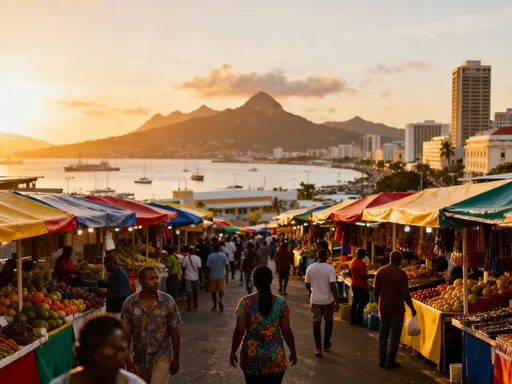
When most travelers think of Luanda, they picture a bustling port city with a colonial past, modern ambitions, and a coastline lined with high-rises. And yes, that image holds some truth. The capital pulses with energy—traffic hums through wide boulevards, fishermen mend nets along the Marginal, and street vendors call out over the rhythm of kizomba music drifting from open windows. But what few realize is that within an hour’s drive from downtown, the urban sprawl gives way to something entirely different: vast dunes, sweeping estuaries, and pockets of wilderness that feel worlds away.
My first real surprise came on a weekend excursion to the Mussulo Peninsula, a narrow strip of land extending south of the city, bordered by the Atlantic on one side and a calm tidal lagoon on the other. As we left the paved roads behind and bumped along sandy tracks, the change was immediate. No billboards, no traffic lights—just wind-sculpted dunes, seabirds gliding over shallow waters, and the occasional fisherman hauling in a net by hand. It felt like stepping into another era, one where nature still dictated the pace of life.
Then there’s Quiçama National Park, once known as Parque Nacional da Quissama, located about 70 kilometers south of Luanda. Though modest in size compared to some of Africa’s famed reserves, it offers a rare opportunity to see wildlife in a recovering ecosystem. Reintroduction programs have brought back elephants, giraffes, and various antelope species after years of conflict disrupted conservation efforts. Seeing a small herd of elephants cross a dusty clearing at dawn was a moment of quiet awe—one I hadn’t expected so close to a major African capital.
The lesson here is simple: don’t let Luanda’s urban exterior fool you. The city acts as a gateway, not the destination itself. Adjusting expectations before arrival opens the door to a richer, more layered travel experience. Instead of viewing Luanda as the end point, think of it as a launchpad for discovering Angola’s quieter, wilder side. Those who come prepared for both the city and the surrounding natural beauty leave with a deeper appreciation of what this country truly offers.
The Allure of Angola’s Untamed Coastline
Angola’s Atlantic coastline stretches over 1,600 kilometers, yet much of it remains unspoiled by mass tourism. Near Luanda, this means access to stretches of beach and coastal ecosystems that feel remarkably untouched. Praia do Bispo, nestled along the southern edge of the Mussulo Peninsula, is one such place. With powdery white sand, turquoise water, and almost no permanent structures, it’s the kind of beach that appears in travel magazines but rarely feels accessible. Yet here, it’s just a boat ride away from the city.
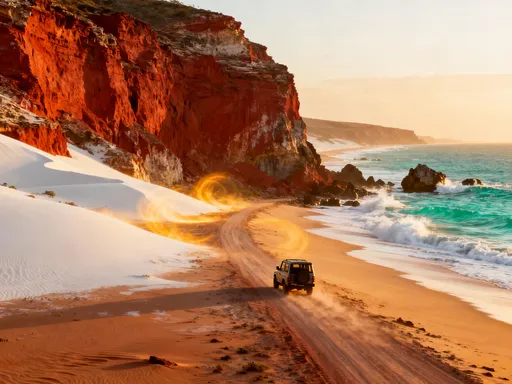
Further south, Ponta das Salinas offers a different kind of beauty—dramatic cliffs carved by the sea, tide pools teeming with marine life, and panoramic views of the ocean meeting the horizon. At low tide, the exposed rocks reveal intricate patterns shaped by centuries of wave action. It’s a photographer’s dream and a hiker’s delight, though caution is essential due to slippery surfaces and strong currents.
What makes these coastal spots so special is their isolation. Unlike more developed destinations in West or East Africa, Angola’s tourism industry is still emerging. There are no sprawling resorts, no overcrowded boardwalks, and—refreshingly—no pressure to commercialize every scenic viewpoint. This lack of development, while challenging in terms of infrastructure, also preserves the authenticity of the experience. You’re not following a curated path; you’re exploring landscapes that few outsiders have seen.
However, this also means risks. Some areas are not clearly marked, and local knowledge is crucial. Venturing out without understanding tide patterns, weather conditions, or safe access points can lead to dangerous situations. For example, certain parts of the coast become inaccessible during high tide, and strong undertows make swimming risky even on calm days. Without a guide or local contact, it’s easy to misjudge conditions. That’s why responsible exploration matters—not just for safety, but to ensure these places remain protected for future visitors.
Pitfall #1: Misleading Information and Outdated Guides
One of the biggest challenges I faced while planning my trip was the sheer inconsistency of available travel information. Online searches turned up blog posts from a decade ago, outdated forum threads, and promotional content that painted an overly optimistic picture of accessibility. Some articles claimed that certain beaches were “easily reachable by public transport,” when in reality, no formal transit routes serve those areas. Others described national parks as “fully equipped with visitor centers and trails,” which simply isn’t the case today.
This gap between expectation and reality can be frustrating, even discouraging. I once set out for a lagoon said to be “perfect for kayaking and birdwatching,” only to find the access road completely washed out after seasonal rains. The GPS led me to a dead end, and it took hours to find a local who could point me in the right direction. It wasn’t a complete loss—the detour introduced me to a small fishing village where I shared a meal with a family who had lived there for generations—but it highlighted how unreliable digital resources can be in Angola.
The problem isn’t just outdated data; it’s also exaggeration. Some travel influencers and content creators, eager to promote “undiscovered” destinations, oversell the experience without acknowledging the logistical hurdles. A place might be beautiful, but if reaching it requires a four-wheel-drive vehicle, local permits, and several hours of travel on poor roads, that context needs to be clear. Otherwise, travelers arrive unprepared, potentially endangering themselves or disrupting local communities.
So how do you navigate this? The best approach is to cross-reference information. Look for recent traveler reviews, join Angola-focused expat or travel groups on social media, and whenever possible, connect with locals before your trip. Many Angolans are proud of their country’s natural beauty and happy to share accurate insights. Embassies, tourism offices, and reputable tour operators can also provide updated guidance. The key is to treat online information as a starting point—not a definitive roadmap.
Pitfall #2: Infrastructure Gaps That Can Derail Your Trip
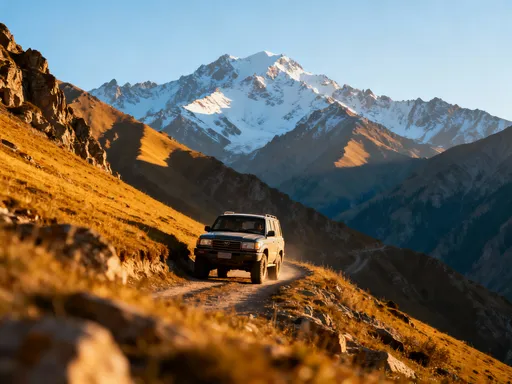
Let’s be honest: Angola’s road network outside Luanda is a work in progress. While major highways like the EN-100 are well-maintained, secondary and rural roads often consist of packed sand, deep potholes, or sections washed out by seasonal rains. Driving without a suitable vehicle—or without a skilled driver—can quickly turn an adventure into a stranded ordeal. I learned this the hard way when my rental car, a standard sedan, got stuck in soft sand on a beach access road. It took the help of two local fishermen with a pickup truck to pull us out.
Fuel availability is another concern. Gas stations become sparse beyond the capital, and not all accept foreign credit cards. Carrying extra fuel in approved containers is wise, especially for longer excursions. Even more critical is vehicle reliability. Air conditioning, functioning tires, and a reliable engine aren’t luxuries—they’re necessities in Angola’s hot, humid climate. A breakdown in a remote area can mean long waits for assistance, if help comes at all.
GPS and mobile connectivity are equally unreliable. Many mapping apps lack detailed data for rural areas, and cellular coverage drops off just kilometers outside the city. Offline maps downloaded in advance can help, but they’re no substitute for local knowledge. I found that having a physical map as backup, along with written directions from trusted sources, made a significant difference.
Given these challenges, hiring an experienced local driver or joining a guided tour is often the smarter choice. Not only do they know the terrain, but they also understand weather patterns, community access rules, and emergency protocols. Some tour operators specialize in eco-friendly, low-impact trips that support local economies while ensuring traveler safety. Yes, it may cost more than going solo, but the peace of mind—and the richer experience—is worth it. Adventure should be thrilling, not reckless.
Pitfall #3: Overlooking Cultural Context in Natural Settings
One of the most overlooked aspects of visiting Angola’s natural sites is the cultural dimension. Many of these areas aren’t just scenic backdrops—they’re part of living communities with deep ties to the land. The Mussulo Peninsula, for instance, is home to fishing families who have lived there for generations. Their homes may look simple, but they represent a way of life shaped by the tides, the seasons, and communal traditions.
Unfortunately, some visitors treat these places like uninhabited playgrounds. I saw tourists walking through private yards, taking photos of children without permission, and leaving trash behind. These actions, even if unintentional, can damage relationships and erode trust. In one case, a group of travelers set up a campfire on a beach without consulting locals, which led to tension because firewood collection in that area is regulated to protect the dune ecosystem.
Respect goes beyond common courtesy—it’s essential for sustainable tourism. Before entering a community area, it’s wise to seek permission, ideally through a guide or local contact. A simple greeting in Portuguese or Kimbundu, a smile, and a willingness to listen can open doors. Many residents are happy to share stories, recommend fishing spots, or even invite you for a meal if approached with humility.
Understanding local customs also enhances the experience. For example, certain lagoons or forested areas may be considered sacred or used for traditional practices. While these uses aren’t always visible, they’re meaningful. By engaging respectfully, travelers gain more than just photos—they gain insight into a culture that lives in harmony with nature. That connection transforms a simple visit into a meaningful exchange.
Making the Most of Your Adventure: Smart Planning Strategies
With the right preparation, exploring Angola’s natural wonders can be both safe and deeply rewarding. Timing is crucial. The dry season, from May to October, offers the most stable weather and passable roads, making it ideal for excursions. During the rainy season, especially from March to April, many rural routes become muddy and impassable, increasing the risk of delays or vehicle issues.
Packing strategically is equally important. Essentials include plenty of drinking water, sunscreen, insect repellent, a first-aid kit, and spare tires or repair tools if you’re driving. A satellite phone or emergency beacon can be lifesaving in remote areas with no signal. Clothing should be lightweight and breathable, with long sleeves for sun and insect protection. Don’t forget a reusable water bottle and trash bags—leaving no trace is a must.
Choosing the right tour operator can make all the difference. Look for companies with strong local ties, positive reviews, and a commitment to responsible tourism. Many offer customized trips that include transportation, guides, and cultural interactions, ensuring a smoother, more authentic experience. If traveling independently, establish contact with trusted locals in advance—hotel staff, embassy contacts, or community leaders can often recommend reliable drivers or guides.
Finally, embrace flexibility. Plans may change due to weather, road conditions, or local events. Instead of resisting, see these moments as part of the journey. Some of my most memorable experiences came from unplanned detours—sharing tea with a fisherman at sunrise, watching children play soccer on a quiet beach, or learning how to identify edible coastal plants from a village elder. These aren’t in any guidebook, but they’re the heart of what makes travel meaningful.
Why These Pitfalls Are Worth Navigating
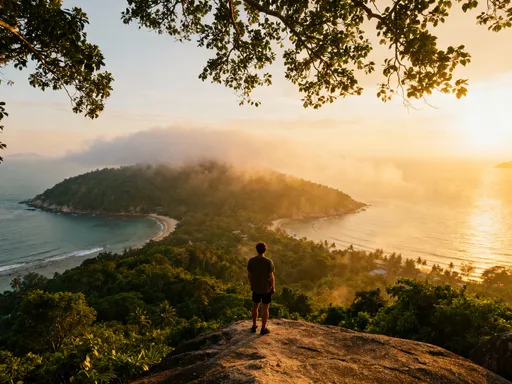
Yes, traveling beyond Luanda comes with challenges. The roads are rough, information is spotty, and cultural misunderstandings can happen. But the rewards far outweigh the risks. Imagine standing on a cliff at sunset, the ocean stretching endlessly before you, with no one else in sight. Picture a herd of antelope moving gracefully across a grassland at dawn, silhouetted by the morning light. These are not staged moments—they’re real, raw, and profoundly moving.
Overcoming the logistical hurdles brings a sense of accomplishment few destinations offer. There’s pride in navigating unfamiliar terrain, in connecting with people across language barriers, in discovering beauty that hasn’t been filtered through mass tourism. Each challenge faced becomes a story, each obstacle overcome a lesson in resilience and adaptability.
Angola also stands at a crossroads. With growing interest in eco-tourism and sustainable development, there’s potential for this country to become a leader in responsible travel. By visiting thoughtfully—by respecting nature, supporting local communities, and sharing accurate information—travelers can play a role in shaping that future.
In the end, the true value of a journey isn’t measured in comfort or convenience. It’s found in the moments that surprise you, the places that change your perspective, and the connections that linger long after you’ve returned home. Luanda’s wild beauty isn’t just a destination—it’s an invitation to explore with curiosity, humility, and courage. And for those willing to accept it, the experience is nothing short of transformative.