You Won’t Believe What I Found Shopping in Accra’s Hidden Architectural Gems
Shopping in Accra isn’t just about markets and malls—it’s a journey through vibrant architecture that tells the story of Ghana’s past and present. From colonial facades to Afro-modern designs, every storefront has character. I never expected my hunt for kente cloth and ceramics to lead me through such stunning streetscapes. This is more than retail therapy; it’s a sensory dive into culture, color, and craftsmanship. Let me take you where commerce meets creativity, where the walls themselves whisper stories of trade, tradition, and transformation. In Accra, shopping is not merely transactional—it is deeply experiential, shaped by centuries of history and a bold vision for the future.
The Rhythm of Accra’s Streets: Where Shopping Meets Design
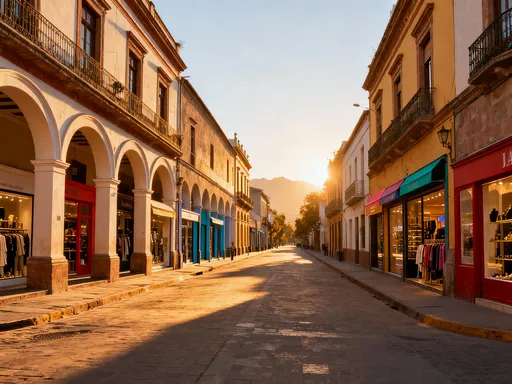
Walking through Accra’s commercial corridors feels less like navigating a city and more like moving through a living museum of urban evolution. The city’s layout—shaped by waves of migration, colonial planning, and organic growth—creates a rhythm where shopping and architecture are inseparable. In neighborhoods like Kaneshie and Adabraka, wide avenues lined with pastel-colored colonial buildings house everything from phone accessory kiosks to tailor shops, each business adapting to the structure it occupies. These buildings, many dating back to the British colonial era, were not originally designed for retail but have been repurposed with ingenuity. Their high ceilings and deep verandas provide natural ventilation, a feature that remains functional in Accra’s tropical climate.
What makes Accra’s shopping experience distinct is how architecture influences not just aesthetics but behavior. In more modern districts like Airport City, wide sidewalks, landscaped plazas, and thoughtfully spaced storefronts encourage leisurely browsing. Here, design prioritizes comfort and visibility, drawing shoppers in with clean lines and open sightlines. Contrast this with the dense, vertical markets of central Accra, where narrow alleyways and tightly packed stalls create an almost theatrical sense of discovery. Each turn reveals a new vendor, a new scent, a new texture. The architecture here is not about grandeur but efficiency—yet it fosters intimacy and connection between buyer and seller.
Urban planners and architects are increasingly recognizing that the form of a shopping environment shapes its function. In Accra, this means that even the most informal trading spaces are embedded with cultural logic. For instance, the placement of shade structures, seating areas, and communal water points in market zones reflects a deep understanding of social needs. These elements are not decorative; they are essential to sustaining daily commerce. As the city grows, there is a growing movement to preserve these architectural rhythms, ensuring that modernization does not erase the human scale that makes Accra’s shopping so uniquely engaging.
Makola Market: Chaos with Character
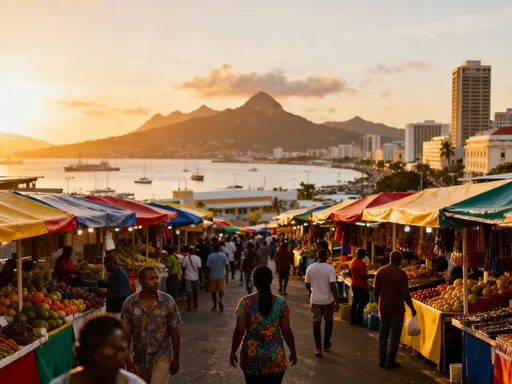
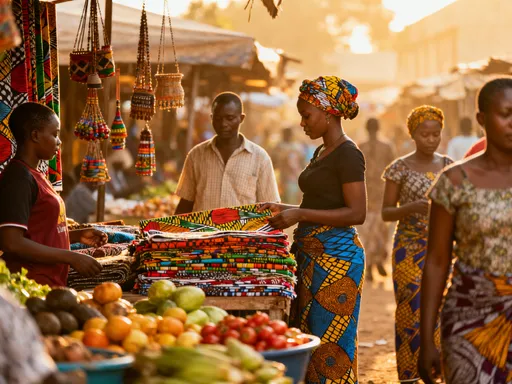
No visit to Accra is complete without stepping into the electrifying chaos of Makola Market, one of West Africa’s most renowned trading hubs. Spanning several city blocks, this sprawling marketplace pulses with energy from dawn until dusk. The architecture here is unpretentious—corrugated metal roofs, concrete columns, and multi-level wooden stalls stacked like puzzle pieces—but it serves a powerful purpose. Every structure is designed for maximum utility, allowing vendors to display goods vertically and horizontally in tight quarters. The result is a labyrinthine network of alleys where the air hums with barter, the scent of spices lingers, and colorful fabrics drape from every available surface.
At first glance, Makola may seem overwhelming, even chaotic. But beneath its surface is a finely tuned system shaped by decades of commerce. The market is organized by product type—women’s clothing in one section, electronics in another, fresh produce and spices in the central alleys. This zoning, though informal, reflects a deep understanding of customer flow and vendor competition. The buildings themselves, though modest, are engineered for resilience. Thick concrete foundations withstand heavy foot traffic, while elevated walkways and covered passages protect shoppers from Accra’s frequent afternoon rains.
What truly defines Makola is not its physical structure but the human activity it supports. Women in vibrant kente wraps balance baskets on their heads, navigating narrow paths with practiced ease. Teenagers dart through crowds carrying bundles of goods, acting as informal couriers between stalls. The market is a microcosm of Accra’s economic engine, where thousands of small entrepreneurs sustain families and communities. Its architecture, though utilitarian, is a testament to ingenuity—how limited resources can be transformed into a thriving ecosystem of trade. For visitors, Makola offers more than shopping; it offers insight into the resilience and resourcefulness that define Ghanaian urban life.
Jamestown’s Creative Rebirth: Murals, Warehouses & Pop-Ups
Just a short drive from the bustle of central Accra lies Jamestown, a historic port district undergoing a quiet but powerful transformation. Once a center of colonial trade and maritime activity, Jamestown is now a canvas for creative renewal. Its weathered colonial warehouses—originally built to store cocoa, timber, and textiles—are being reborn as art galleries, boutique shops, and design studios. These structures, with their thick masonry walls and tall shuttered windows, were designed for durability and ventilation, features that now serve a new generation of entrepreneurs seeking character and authenticity.
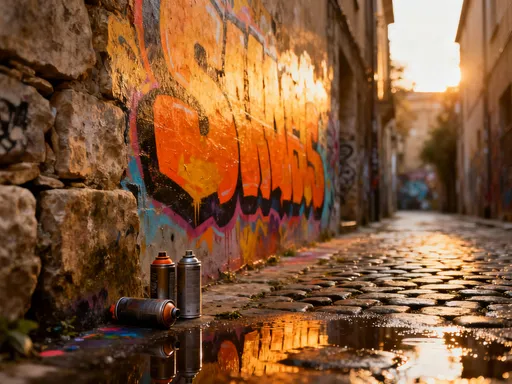
The most striking aspect of Jamestown’s revival is the integration of street art into its architectural fabric. Vibrant murals stretch across building facades, depicting everything from Ashanti proverbs to portraits of local heroes. These artworks are not mere decoration; they are acts of storytelling, reclaiming public space and asserting cultural pride. Walking through Jamestown feels like stepping into an open-air gallery, where every corner offers a new visual narrative. Pop-up shops often appear in repurposed ground-floor spaces, their temporary nature adding to the district’s dynamic energy. One day, a former storage room might house a pop-up selling handwoven baskets; the next, it could host a photography exhibit on Accra’s youth culture.
This adaptive reuse of historic buildings is more than a trend—it’s a model for sustainable urban development. By preserving the structural bones of old warehouses, Jamestown maintains its historical identity while embracing innovation. Designers and artists are drawn to the area precisely because of its raw aesthetic: exposed brick, peeling paint, and uneven floors that speak of time and use. These imperfections are not hidden but celebrated, becoming part of the brand identity of the shops within. For visitors, shopping in Jamestown is not just about acquiring goods; it’s about participating in a cultural movement where history and creativity converge.
The Rise of Afro-Modern Malls: Accra’s New Retail Identity
As Accra modernizes, a new generation of shopping centers is emerging—one that blends global retail standards with distinctly Ghanaian design sensibilities. Places like Accra Mall, West Hills Mall, and Marina Mall offer air-conditioned comfort, international brands, and family-friendly amenities, but they do so without abandoning local identity. These spaces are not carbon copies of Western malls; they are carefully calibrated to reflect the rhythms and aesthetics of Ghanaian life. Open-air courtyards, shaded walkways, and tropical landscaping create a sense of openness, allowing natural light and breezes to flow through the spaces.
One of the most notable features of these Afro-modern malls is their use of local materials and craftsmanship. You’ll find walls adorned with hand-carved wood panels, floors laid with terrazzo featuring Adinkra symbols, and seating areas upholstered in kente-inspired fabrics. These details are not afterthoughts; they are central to the architectural vision. Designers have worked to ensure that even in a high-end retail environment, visitors feel connected to their cultural roots. The placement of food courts, for example, often includes stalls serving traditional dishes like jollof rice, banku, and kelewele, reinforcing the idea that shopping is intertwined with community and nourishment.
These malls also serve as social hubs, hosting fashion shows, art exhibitions, and live music performances. They are designed not just for consumption but for gathering—spaces where families meet on weekends, professionals grab lunch, and tourists experience contemporary Ghanaian life. Security, cleanliness, and accessibility are prioritized, making these centers inclusive and welcoming. Yet, they remain deeply contextual. For instance, the orientation of buildings often takes advantage of prevailing winds to reduce reliance on mechanical cooling, a subtle but meaningful nod to sustainable design. In this way, Accra’s modern malls are not symbols of globalization erasing local culture; they are proof that progress and heritage can coexist.
Design Districts: Osu’s Boutiques and Boutique Architecture
If Jamestown represents the past reborn and the malls symbolize modern convenience, then Osu embodies Accra’s creative present. This vibrant neighborhood, once a quiet residential area, has evolved into a hub for independent fashion labels, lifestyle brands, and artisanal cafes. Its charm lies in the diversity of its small-scale architecture—each boutique seems to have its own personality, expressed through color, signage, and façade design. One shop might feature a bright yellow exterior with hand-painted typography, while another opts for minimalist concrete walls accented with woven bamboo screens.
Osu’s retail landscape is defined by fusion. Scandinavian minimalism meets Akan geometric patterns; Japanese wabi-sabi aesthetics blend with bold West African textiles. This architectural eclecticism reflects a broader cultural moment—one of experimentation and self-expression. Storefronts are designed to attract attention without overwhelming, often using natural materials like wood, stone, and clay. Some boutiques incorporate open-air display areas, allowing goods to be viewed from the street, while others use large glass windows to create a sense of transparency and invitation.
What sets Osu apart is the intentionality behind its design. Many of the shop owners are architects, designers, or artists themselves, bringing a professional eye to every detail. A clothing boutique might use reclaimed wood from old fishing boats for its shelves, linking its products to Ghana’s coastal heritage. A coffee shop could feature a mural by a local artist, turning the wall into both decoration and dialogue. These spaces are not just places to buy things—they are curated experiences, where every element contributes to a narrative of identity and innovation. For visitors, shopping in Osu feels personal, intimate, and deeply connected to the pulse of contemporary Accra.
Craft Hubs Beyond the City: Ntonso and the Adinkra Experience
To truly understand the relationship between architecture, craft, and commerce in Ghana, one must venture beyond Accra to cultural villages like Ntonso, a short drive northeast of the capital. Ntonso is renowned as the heart of Adinkra cloth production, where generations of artisans have preserved the art of hand-stamping symbolic patterns onto cotton fabric. The architecture here is modest—open-air workshops, family-run dye houses, and clay-roofed homes—but it is perfectly suited to the craft. Workspaces are designed for airflow and natural light, essential for the precise work of carving stamps and drying dyed cloth.
Visitors to Ntonso are not passive observers; they are invited to participate. Tour groups often begin with a demonstration of the stamping process, followed by a hands-on session where guests create their own Adinkra designs. The experience is deeply immersive, taking place in the same spaces where families have worked for decades. The buildings themselves—simple yet functional—reflect a philosophy of sustainability and continuity. Materials are locally sourced, and structures are maintained through communal effort. There are no grand entrances or ticket booths; instead, visitors are welcomed into homes and workshops with warmth and generosity.
This model of sustainable tourism is gaining recognition as a way to support rural economies while preserving cultural heritage. Unlike mass-market souvenir shops, Ntonso’s craft centers offer authenticity and transparency. You can see the entire process—from the boiling of dye made from the bark of the badie tree to the final pressing of stamps onto fabric. The architecture enhances this authenticity, grounding the experience in place and tradition. For travelers seeking meaningful connections, Ntonso offers a rare opportunity to engage with craft not as a commodity, but as a living practice embedded in community and environment.
Why This Matters: Preserving Culture Through Design-Led Commerce
The architectural diversity of Accra’s shopping landscape is not just aesthetically pleasing—it is culturally significant. Each building, market, and storefront tells a story about how Ghanaians live, trade, and express identity. When travelers take the time to notice these details—the curve of a colonial veranda, the pattern of a hand-painted sign, the layout of a village workshop—they engage in a deeper form of tourism. They move beyond consumption to understanding, recognizing that what we buy is shaped by where and how it is made.
Supporting design-led commerce has real economic and social benefits. When tourists choose to shop in historic districts, visit craft villages, or explore independent boutiques, they contribute to the preservation of cultural heritage. These spaces rely on foot traffic and patronage to survive, especially in the face of rapid urban development and global retail chains. By valuing architecture as part of the shopping experience, visitors help sustain not just businesses but entire ways of life.
Moreover, this approach fosters pride among local communities. When young Ghanaians see their traditions celebrated in architecture and design, they are more likely to carry them forward. Initiatives that blend heritage with innovation—like the adaptive reuse of Jamestown warehouses or the cultural detailing in modern malls—demonstrate that tradition is not static. It can evolve, adapt, and thrive in contemporary contexts. For travelers, this means that every purchase becomes an act of connection—a thread linking them to the people, places, and stories behind the products.
Accra’s shopping scene proves that commerce and culture aren’t opposites—they’re partners. When you buy a piece of art or fabric here, you’re also engaging with history, design, and identity. The buildings, colors, and streets all contribute to a deeper experience. Next time you travel, ask not just what you’re buying—but where it lives, and why it looks that way. That’s when shopping becomes storytelling.