You Won’t Believe What Lies Behind Amritsar’s Golden Walls
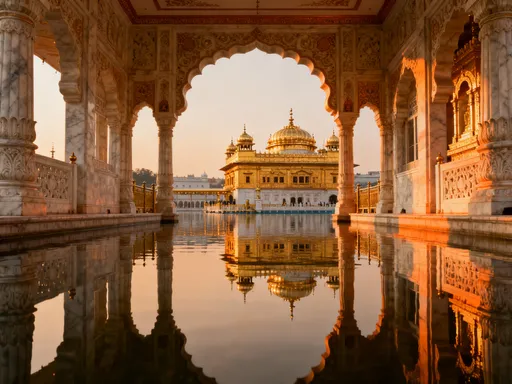
Walking toward the Golden Temple in Amritsar, I felt like I was approaching something sacred—not just spiritually, but architecturally. The shimmering dome, the symmetrical courtyards, the reflective pool—it all felt perfectly balanced, almost otherworldly. This isn’t just a religious site; it’s a masterpiece of design, harmony, and human vision. What makes its architecture so powerful? Let me take you through the details that most visitors miss.
The Heart of Amritsar: Understanding the Golden Temple’s Spiritual and Architectural Significance
The Harmandir Sahib, commonly known as the Golden Temple, stands as the spiritual and cultural nucleus of Sikhism. Its foundation was laid in the late 16th century by Guru Ram Das, the fourth Sikh Guru, who envisioned a place of worship accessible to all, regardless of caste, creed, or social status. This radical inclusivity is physically embodied in its design: the temple sits lower than the surrounding land, a deliberate choice to symbolize humility. Unlike many religious structures built on elevated platforms to convey grandeur, the Golden Temple invites worshippers to descend—both literally and spiritually—into a space of equality and reflection.
Equally significant is the temple’s four entrances, one on each side, facing the cardinal directions. This architectural decision reflects the Sikh principle of openness and universal welcome. In a time when religious segregation was common, this was a bold statement: salvation and peace are not reserved for a chosen few but are open to everyone. The temple’s location at the center of a large, man-made pool—known as the Amrit Sarovar, from which the city derives its name—adds to its symbolic depth. The water represents purity, while the temple rising from its center signifies the divine emerging from the essence of life.
The spiritual philosophy of Sikhism, rooted in devotion, service, and equality, is seamlessly woven into every architectural choice. The daily practice of *kirtan*—continuous devotional singing—echoes through the complex, turning the space into a living sanctuary of sound and prayer. This integration of function, faith, and form makes the Golden Temple not just a monument to admire, but a dynamic environment where architecture supports and enhances spiritual experience.
Harmony in Design: The Role of Symmetry, Proportion, and Water
One of the most striking aspects of the Golden Temple’s design is its flawless symmetry. From the main causeway leading to the sanctum to the arrangement of domes and minarets, every element is mirrored with precision. This balance is not merely aesthetic; it reflects the Sikh ideal of harmony between the material and the divine. The central dome, covered in gold and rising 40 meters above the water, is flanked by smaller domes that echo its shape, creating a rhythm that guides the eye and calms the mind.
The sarovar, or holy tank, plays a crucial role in both the spiritual and environmental design of the complex. Covering over 5,000 square meters, the pool surrounds the temple on all sides, creating a reflective surface that doubles the visual impact of the structure. The water is not just symbolic—it serves practical purposes as well. In the hot Punjabi climate, the large body of water helps cool the surrounding air, making the temple precincts more comfortable for visitors and pilgrims. The act of walking around the sarovar, known as *parikrama*, is a meditative practice that allows individuals to physically and spiritually encircle the sacred.
Proportion is another key element that contributes to the temple’s serene presence. The Golden Temple is grand, yet it does not overwhelm. Its scale is human-centered, allowing visitors to feel connected rather than dwarfed. The golden sanctum, though radiant, is modest in size—measuring approximately 12 meters on each side—emphasizing spiritual richness over physical size. This balance between grandeur and humility is a hallmark of Sikh architecture and reflects the community’s values of modesty, service, and inner devotion.
Materials That Speak: Gold, Marble, and Craftsmanship
The visual splendor of the Golden Temple is inseparable from the materials used in its construction and restoration. The upper floors and dome are covered in gold foil—a gift from Maharaja Ranjit Singh in the early 19th century, who sought to honor the temple’s spiritual importance. Over 750 kilograms of pure gold were used in the gilding process, creating a surface that glows with a warm, radiant light, especially at sunrise and sunset. This gold is not merely decorative; it symbolizes the divine light and the eternal presence of the Guru.
Beneath the golden crown, the temple’s base is constructed from white marble, intricately carved with floral and geometric patterns. These carvings are not mass-produced but handcrafted by skilled artisans using traditional techniques passed down through generations. One of the most exquisite details is the *pietra dura* inlay work—where semi-precious stones like lapis lazuli, onyx, and jasper are set into marble to form elaborate floral and calligraphic designs. Each panel tells a story, not through words, but through color, texture, and form.
The preservation of these materials is an ongoing effort. Pollution, humidity, and the sheer volume of visitors pose constant challenges to the temple’s structural integrity. Restoration projects are conducted with great care, often involving traditional tools and methods to ensure authenticity. Artisans from across Punjab and neighboring regions are employed to repair damaged sections, continuing a legacy of craftsmanship that dates back centuries. These efforts ensure that the temple remains not just a place of worship, but a living museum of Indian art and architectural heritage.
Beyond the Golden Temple: Hidden Architectural Gems in Amritsar’s Old City
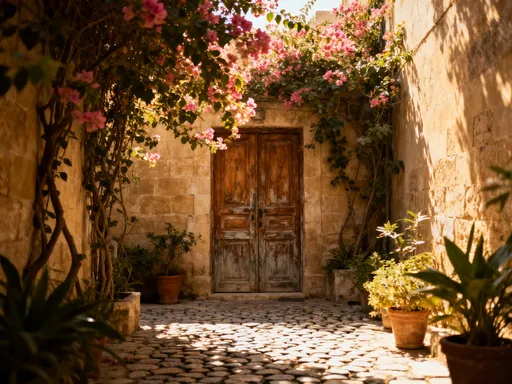
While the Golden Temple rightfully draws the world’s attention, Amritsar’s old city holds a treasure trove of lesser-known architectural wonders. Wandering through its narrow lanes, one encounters *havelis*—traditional Punjabi mansions—many dating back to the 18th and 19th centuries. These homes, though often in various states of disrepair, reveal a refined sense of design. Carved wooden balconies, known as *jharokhas*, project from upper floors, offering shaded spaces for residents to observe street life. Their intricate latticework and floral motifs reflect a blend of Mughal elegance and local craftsmanship.
Colonial-era buildings also dot the cityscape, remnants of British rule that have been adapted into shops, offices, and residences. The Amritsar Municipal Corporation building, with its arched windows and red-brick façade, stands as a testament to Indo-Saracenic architecture—a fusion of Indian and European styles. Similarly, the old railway station, built in the late 1800s, features wide verandas and high ceilings designed to manage heat, showcasing functional design suited to the region’s climate.
Smaller gurdwaras scattered throughout the city offer quiet moments of reflection and architectural beauty. Gurdwara Dukh Nivaran, located on the outskirts, is built on a small elevation surrounded by water, echoing the design of the Golden Temple on a smaller scale. Its peaceful ambiance and elegant proportions make it a favorite among locals seeking solitude. These hidden sites, though less visited, are essential to understanding the full architectural narrative of Amritsar—a city where sacred and domestic spaces coexist in harmony.
Fusion of Styles: How Mughal, Hindu, and Islamic Influences Shaped Amritsar
Amritsar’s architectural identity is the result of centuries of cultural exchange. The city’s buildings reflect a seamless blend of Mughal, Hindu, and Islamic influences, creating a unique regional style. The Golden Temple itself, while distinctly Sikh in purpose, incorporates design elements from multiple traditions. The central dome, for example, resembles the onion-shaped domes of Mughal architecture, while the use of *chhatris* (elevated, dome-shaped pavilions) on the corners of the sanctum is a feature commonly seen in Rajput and Mughal palaces.
Islamic calligraphy plays a prominent role in the temple’s decoration. Verses from the Guru Granth Sahib are inscribed in gold on marble panels, their flowing script adding both beauty and sacred meaning. The use of geometric patterns in tile work and inlay further echoes Islamic artistic traditions, which emphasize order and infinity. At the same time, Hindu temple architecture influences can be seen in the temple’s emphasis on circumambulation and the integration of water elements, both of which are central to Hindu temple design.
This synthesis is not limited to religious structures. The historic gates of Amritsar, such as the Lahore Gate and Delhi Gate, once marked the entrance to the walled city and featured arches and bastions reminiscent of Mughal fortifications. Though many of the original walls have been dismantled, the gates remain as symbols of the city’s layered history. This architectural fusion is not a compromise but a celebration—a physical manifestation of Punjab’s long-standing tradition of cultural coexistence and mutual respect.
The Urban Fabric: How Architecture Supports Community Life
The design of the Golden Temple complex extends far beyond aesthetics—it is fundamentally shaped by the needs of community life. The *parikrama*, a 3.7-meter-wide marble pathway that encircles the sarovar, is more than a ritual space. It is a social artery where people meet, walk, rest, and reflect. Benches along the path provide seating for the elderly and weary, while small kiosks offer water, scarves, and religious books. This thoughtful planning ensures that the space is inclusive and accessible to all, especially families and older visitors.
Adjacent to the temple is the langar hall, one of the largest community kitchens in the world. Serving over 100,000 free meals daily, the langar is a cornerstone of Sikh practice, embodying the principles of equality, service, and hospitality. The hall’s design is functional yet dignified: large open spaces with high ceilings allow for efficient service and ventilation. Volunteers, known as *sevadars*, prepare and serve food in continuous shifts, supported by a well-organized system of storage, cooking, and cleanup. The architecture facilitates this massive operation, with dedicated areas for food preparation, dining, and washing utensils.
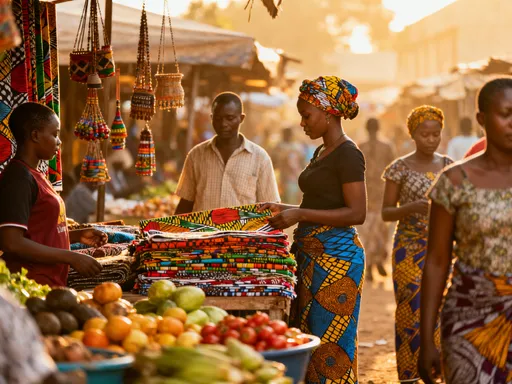
The surrounding bazaars—Hall Bazaar, Katra Jaimal Singh, and Guru Bazaar—form an integral part of the urban ecosystem. These markets, some centuries old, are lined with shops selling religious items, Punjabi clothing, handicrafts, and street food. The narrow, covered streets provide shade and encourage pedestrian movement, fostering a vibrant street life. This integration of sacred, social, and commercial spaces reflects a holistic approach to urban design, where architecture serves not just individual needs but the well-being of the entire community.
Preservation Challenges and the Future of Amritsar’s Heritage
Despite its enduring beauty, Amritsar’s architectural heritage faces significant threats. Air pollution, particularly from vehicle emissions and industrial activity, accelerates the deterioration of marble and gold surfaces. The high volume of visitors—over 100,000 daily at peak times—puts pressure on infrastructure and increases wear on historic pathways and buildings. Unregulated construction in the old city has led to the demolition of some historic havelis, replaced by modern concrete structures that disrupt the city’s visual continuity.
Efforts to preserve Amritsar’s heritage are underway, led by both government agencies and community organizations. The Archaeological Survey of India has listed several buildings in the old city for conservation, while local trusts work to restore historic gurdwaras and havelis. Sustainable tourism initiatives encourage visitors to respect the site by minimizing litter, wearing appropriate clothing, and participating in guided heritage walks that educate about the city’s history.
Technology is also playing a role in preservation. 3D scanning and digital modeling are being used to document the Golden Temple and other key structures, creating accurate records for future restoration. These tools help monitor structural changes over time and guide conservation efforts with precision. At the same time, community education programs teach young people about traditional craftsmanship, ensuring that skills like marble carving and gold gilding are not lost.
The future of Amritsar’s architecture depends on a balance between preservation and progress. While modernization is necessary, it must be guided by respect for the city’s cultural and spiritual legacy. Responsible tourism, thoughtful urban planning, and community involvement are essential to protecting these treasures for future generations.
Amritsar’s architecture isn’t just about buildings—it’s a living expression of faith, community, and resilience. From the radiant Golden Temple to the quiet corners of its old lanes, every structure tells a story of unity and purpose. By understanding its design, we don’t just see beauty—we feel it.